
Well, maybe not everything. Participating in the Boy Scouts is a rite of passage for many young men. I remember the meetings, the Pine Wood Derbies, Merit Badges, and the camping trips. As a member of the Scouts, I had lot of fun while learning life lessons which I carry with me to this day. Many of you are probably familiar with the Scout motto: Be Prepared.
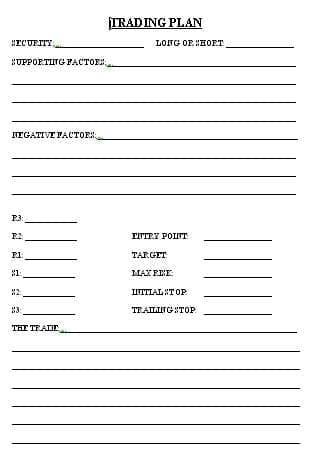
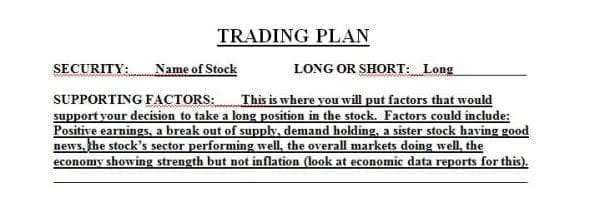
In the first part of the trading plan, the trader should look for reasons as to why this is a suitable trade to enter. Usually this is the easiest section for the trader to complete as we all want to trade and it can be easy for us to rationalize why we should enter. Be careful to make sure they are valid reasons such as supply or demand zones, the trend, and movement of related markets.
Now the hard part begins. The trader needs to start listing the negative factors that may work against the trade. This is where you have to find the dangers that could increase your risk of losing. We don?t want to think about being wrong and typically have a mental block that prevents us from seeing the danger or causes us to rationalize it. Look objectively at the markets and decide if there are dangers. List them to remind you to be aware and prepared for them!

Once you have the factors identified, it is time to write out the plan. Locate supply and demand levels, the desired entry point, target area, and where you will place your stop. The entry, exit and target will be determined by using the tools and tactics you listed in your overall trading business plan. You should then write out your trade. Be specific! Write out your entry and type of order to be used. Detail where and when you will place stops.
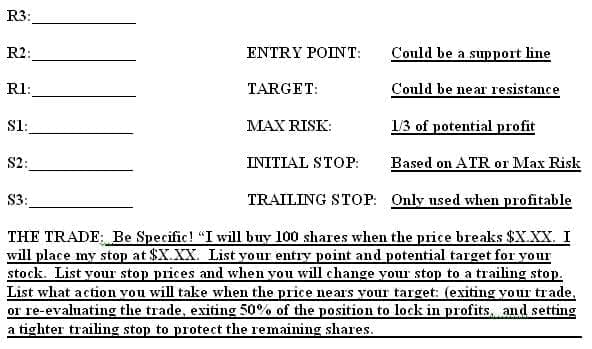
By completing this trade plan, you accomplish several things. You have accountability if you violate the plan and can build discipline. But you also build confidence when you follow your plan and you either make money or lose very little when things don?t work out as you had planned. By preparing the trade plan, you prepare for surprises and will not be shocked into large losses when the market makes a volatile turn.
Brandon Wendell